Skip to Content

Author Archives: E2Global Inc.

  1. Injection Blow Molding vs Extrusion Blow Molding

    Leave a Comment
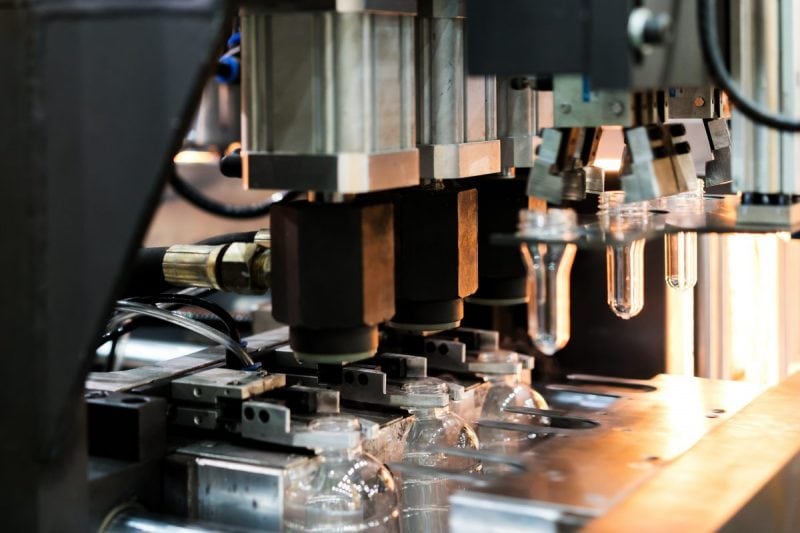
     

    Injection Blow Molding vs Extrusion Blow Molding


    Both injection blow molding and extrusion blow molding processes are integral in many manufacturing applications. These techniques are used to create many disposable and recyclable plastic parts, including products used in medical and research applications. Both processes feature unique functions to produce different results, which is why it’s important to understand each process to determine which is suitable for manufacturing a particular product. To help you better understand the differences between injection blow molding and extrusion blow molding, we’ll go over how each process works so that you can determine which is best for your needs.

    What is Injection Blow Molding?
    Injection Blow Molding

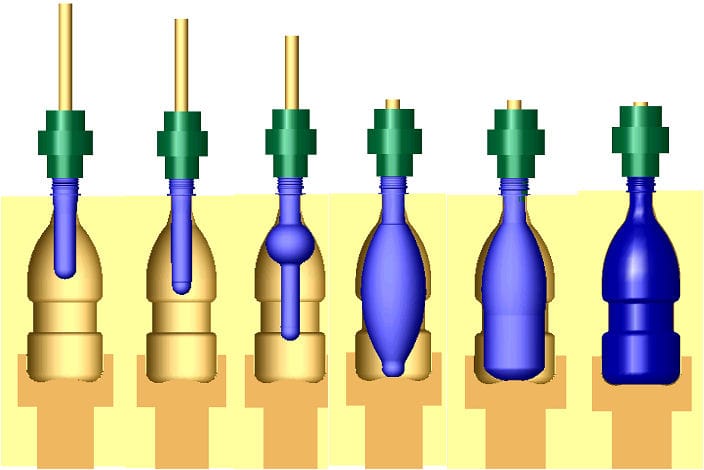
    To increase production efficiency in the 1930s, injection molding was developed. The process involves melting plastic and then injecting it into a predesigned mold. Primary advantages of injection molding include reduced waste, minimal finishing requirements, and recyclability. Unlike extrusion molding, the design capabilities of injection molding allow for the manufacturing of 3D components.  The machines used for injection molding include two core components: the clamping unit and the injection unit. Injection blow molding, or IBM, is a specific type of injection molding process that involves the use of a metal shank or core rod. The process uses a parison that forms the basis for the finished product. The beginning of the IBM process entails transferring the parison/core rod into the blow molding unit of the machine, followed by inflating and cooling the pre-formed part.  After cooling, the core rod is rotated to the ejection position, the mold is opened, and the product is removed. Throughout the process, three sets of core rods are used to facilitate mold injection, blow molding, and the ejection of the formed part.

    What is Extrusion Blow Molding?
    Extrusion Blow Molding

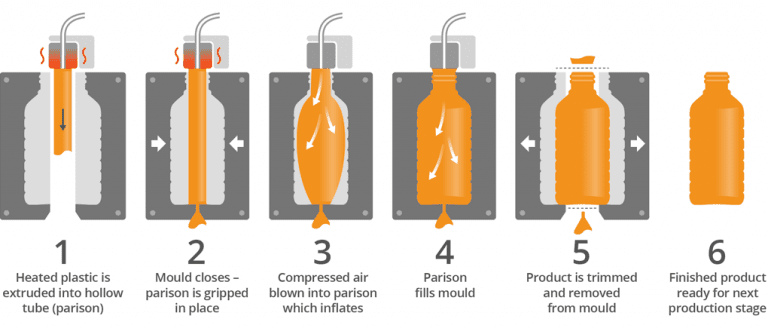
    Extrusion blow molding, or EBM, is similar to IBM, but instead of injecting melted plastic into a mold, the material is extruded or expelled into a hollow tube, known as a parison. A mold closes around the parison in order to shape the part while at the blow station.  At the blow station, air is blown into the parison inflating it into the shape of the mold. Once the plastic has cooled, the mold is opened, and the part is extruded. Any excess material is trimmed from the completed part. Because of the EBM process, there is typically a high level of scrap produced.

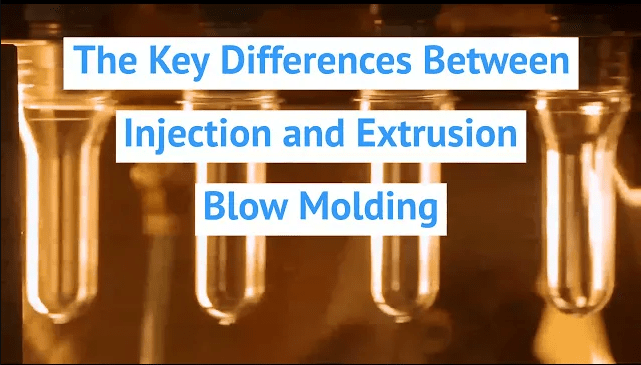
    The Key Differences Between Injection and Extrusion Blow Molding

    There are three main areas in which injection blow molding and extrusion blow molding differ.

    Products

    The principal difference between IBM and EBM is the type of products they create. IBM is typically used to form more solid parts, which can include medical parts, kitchen parts, and other solid components. Meanwhile, EBM is used for manufacturing more hollow parts like bottles and other containers.  Extrusion Blow Molding can manufacture more complex shapes due to how the product is formed. However, injection molding is able to produce large volumes of quality parts quickly and accurately.

    Molds

    For IBM, there needs to be a high precision match between both halves of the mold to enable total control over the flow of resin. Most of the work involved in injection molding involves producing the mold. In EBM, there is a higher level of design flexibility between both mold halves since each half forms its own wall shape.

    Types of Materials

    Extrusion blow molding is most commonly used to form products out of:

    • High-density polyethylene (HDPE)
    • Polypropylene (PP)
    • Polyethylene terephthalate (PET).

    Injection blow molding is most commonly used to form products out of:

    • Acrylic
    • Polycarbonate
    • Polyoxymethylene (POM)
    • Polyethylene (PE)
    Injection Blow Molding vs Extrusion Blow Molding

    Partner with E2Global

    It is important to consider your product when determining whether injection blow molding or extrusion blow molding is right for your needs. At E2Global we can help determine which process is best suited for your application. With our extensive experience manufacturing a variety of bottles, tubes, and other consumables, we are here to help guide you with your packaging need from design to production. Contact us today.
  2. How to Select the Right Packaging for Your Beauty Products

    Leave a Comment

    How to Select the Right Packaging

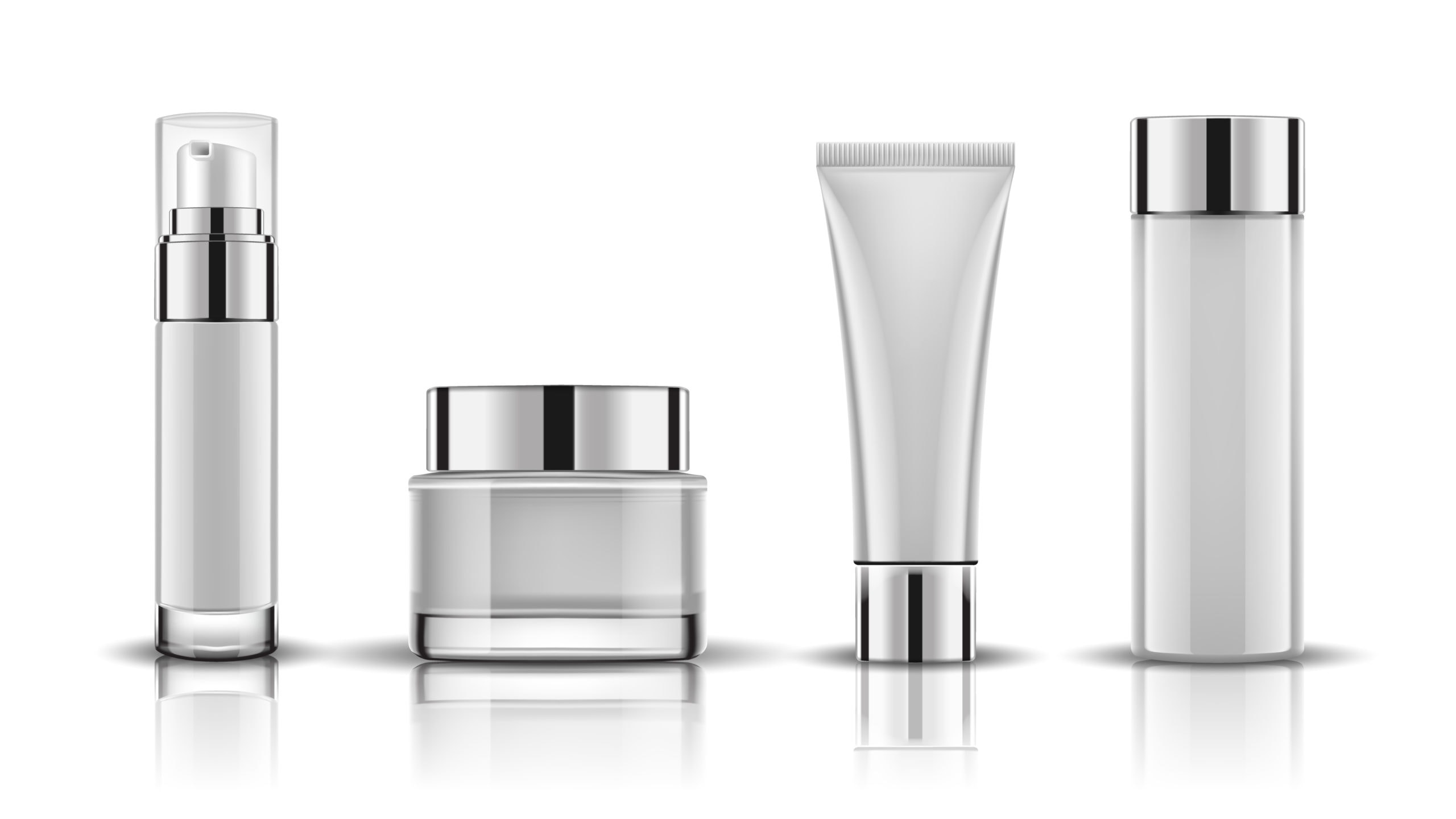
    Beauty product packaging comes in countless designs, varying in form, material, dispensing/closure type, and more. How the packaging looks and functions depend on the product. Some products are better suited to bottles with pumps, while others are better suited to tubes with squeeze tops. Similarly, some are more suitable for glass containers, while others are more suitable for plastic containers. Below, we discuss some of the key factors to keep in mind when designing or selecting packaging for beauty products.

    Key Considerations When Selecting Beauty Packaging

    There are several factors to consider when designing or selecting a packaging container for a beauty product, such as:

    1. Packaging Style

    Beauty product containers are available in numerous forms, including, but not limited to, bottles, jars, and tubes. The style used for a particular beauty product depends on what type of product it is and how it is utilized. For example, eye creams generally come in small jars or tubes to reduce the chance of the product going bad before it is used up, while shampoos and conditioners typically come in larger bottles or tubes to improve dispensability.

    2. Packaging Material

    In addition to style, beauty product packaging comes in many materials. The right one for a beauty product depends on a variety of factors, including product composition, use instructions, and brand aesthetic. For example:

    • Glass is highly inert, meaning it does not react with most chemicals. This quality makes it suitable for use with beauty products that contain reactive materials, such as essential oils and acids. Glass is 100% recyclable.
    • Polyethylene terephthalate (PET) is clear, lightweight, and shatter-resistant. These qualities, combined with its relatively low cost, make it suitable for the mass production of beauty products in transparent bottles or jars. PET is 100% recyclable.
    • Polypropylene (PP) is durable, BPA-free, and 100% recyclable. It is commonly used to produce opaque jars and tubes.
    • High-density polyethylene (HDPE) is strong and durable, demonstrating resistance to acids and alcohols. It is also available with various degrees of transparency (transparent to opaque) and in a variety of colors, making it suitable for making custom product bottles. PE can be recycled.
    • SAN/AS is a high-quality, luxury feeling plastic that is tough and rigid, and has good temperature and chemical resistance. Can be as clear as glass.
    • Metal is increasingly finding use among beauty product manufacturers. The material offers a distinct, vintage look that helps products, such as balms, creams, and scrubs, stand out from the competition. Metal in general can be recycled.

    3. Dispensing Pumps and Closures

    Beauty products can be dispensed and closed in a number of ways. For example:

    • Pumps allow for easy dispensing from bottles. They are available in many variations, including metal vs. plastic and spring vs. airless.
    • Caps ensure the product remains inside the packaging container when it is not needed. They are available in several variants, including flip top, screw, disc, and pull top.
    • Sprayers allow products to be dispensed in a splatter free fine mist. They are available in many variations and sizes including fine mist and trigger sprayers.

    The right dispensing/closing element depends on numerous factors. Two of the most important are container size and product dosage. Both pumps and caps should be chosen with regard to the size of the packaging container; too big or too small ones would be ineffective and/or unaesthetic. Additionally, both should be designed to dispense the correct amount of product. Pumps and sprayers, although made from plastics that can be recycled, are difficult to recycle once assembled.

    The Importance of Understanding Beauty Product Viscosity

    When choosing the packaging style, packaging material, and dispensing/closure element, it is important to keep in mind the viscosity of the beauty product being packaged. Viscosity refers to a material’s resistance to deformation at a given rate. Regarding liquids, it is similar to the concept of thickness (e.g., sugar syrup is thicker than water). Knowing this information can give you an idea of how the product may behave within packaging (e.g., high-viscosity products are hard to squeeze out of tubes or pump out of bottles, while low-viscosity products flow easily out of tubes and bottles). As a result, it makes it easier to identify which type of container and dispensing/closure element is best suited for the product.

    Contact the Packaging Experts at E2Global Today

    There are many options available when it comes to choosing the packaging for a beauty product. This broad selection can make the selection process difficult or daunting for some companies. Fortunately, the experts at E2Global are here to help! We offer turnkey custom packaging solutions, ensuring your beauty product will be fully ready for sale. To learn more about our capabilities or discuss your product packaging requirements with one of our team members, contact us today.

  3. ABL vs. PBL vs. Co-Extruded Tubes: What’s Right For You

    Leave a Comment

    What’s Right For You

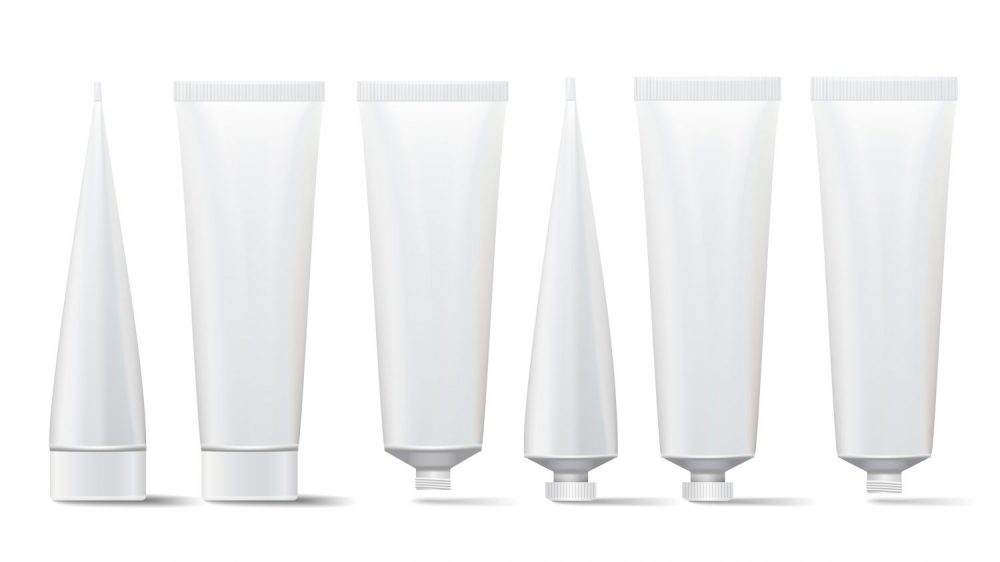
    One of the most common types of product packaging tubes is laminate tubes. They feature a multi-layer design that makes them highly effective at protecting contents from environmental contamination or damage. That is why many manufacturers use them to package their products. The barrier layer is key to the effectiveness of a laminate tube. It can be made from a variety of materials depending on the product and its contents. Two of the most commonly used materials are aluminum foil and ethylene vinyl alcohol (EVOH) film. Below, we highlight how tubes made from these materials differ and what applications they are suitable for.

    What Is the Difference Between ABL, PBL, and Co-Extruded Tubes?

    Aluminum Barrier Laminate (ABL) Tubes

    Aluminum barrier laminate (ABL) tubes use aluminum foil for the barrier layer. It protects the contents against light, air, and moisture. Additionally, it stops the product from absorbing flavors from the other packaging layers or the environment. These plastic-metal tubes meet the packaging requirements for cosmetic and pharmaceutical products. While they are most commonly used to package toothpaste, they are also recommended for cream, gels, ointments, and pastes. One of the key distinctions of ABL tubes is their ability to hold their “squeeze shape”. They do not return to their original shape once squeezed, which makes them ideal for products that require precise dispensing.

    Plastic Barrier Laminate (PBL) Tubes

    Plastic barrier laminate (PBL) tubes use ethylene vinyl alcohol (EVOH) film for the barrier layer. It prevents oxygen from passing into the product from the environment and oils from passing from the product into the other layers. The process of making PBL tubes starts with layering the EVOH film with other plastics materials (e.g., polyethylene) to form a sheet. Then, the sheet is cut and rolled into tubes. Next, the longitudinal edges of the tube are welded together to form the tube body. Finally, the body is sealed to the tube shoulder. One of the key distinctions of PBL tubes is their ability to hold their original shape. They do return to their original shape once squeezed, which makes them a more stable packaging option.

    Co-Extruded (COEX) Tubes

    Similar to PBL tubes, co-extruded (COEX) tubes use EVOH film for the barrier layer, which protects the contents from oxygen transfer and the packaging from oil transfer. However, rather than being made from cut, rolled, and sealed plastic layers, they are made from extruded plastic layers. The result is a tube with no seams. Like a PBL tube, it will bounce back to its original shape after being squeezed.

    What Tube Is Right for You?

    ABL, PBL, and co-extruded tubes are used for similar applications in the cosmetic, food, and pharmaceutical industries. However, they offer distinct advantages and disadvantages that make them suitable for different products. For example:

    • ABL tubes are an economical collapsible tube option that offers broad customizability. They can be decorated in various ways to suit different products and brands. Additionally, they are an excellent packaging solution for aggressive products, such as adhesives, antiseptics, essential oils, liniment creams, and toothpastes.
    • PBL tubes are generally used for cosmetics, personal care products, and pharmaceuticals. However, they also find use in the food industry.
    • Co-extruded tubes offer seamless construction and flexible barrier options. For these reasons, they are commonly used for premium cosmetic and personal care products that must look good on the shelves. They are also suitable for packaging food and pharmaceuticals.

    Learn More About Packaging Tubes at E2Global

    Want to learn more about ABL, PBL, and co-extruded tubes or need them for your operations? Contact the experts at E2Global! Our Tube Advantage team will help you navigate the options available to create an effective tube solution that meets your specifications and standards.

  4. Freight Delays and Rising Costs Causing Backups in Industry

    Leave a Comment

    Freight Delays

    The U.S. economy is recovering in the aftermath of the COVID-19 pandemic, but not every stop along the supply chain is able to keep pace with that recovery. Demand for imported goods and raw materials has overwhelmed many U.S. ports, and ships arriving from Asia at the west coast are forced to wait their turn for unloading.  In March, just as conditions were starting to improve, an Evergreen container ship blocked traffic through the Suez Canal in both directions for six days, further slowing the transport of goods around the world. While the ship has since been removed, global trade is continuing to feel the effects as retailers (and their customers) deal with increasing costs and slow delivery times.

    Increasing Freight Rates and Delays

    Increasing consumer demand has been the driving factor of these delays at US ports. As businesses look to replenish their depleted sock from early in the pandemic, orders have increased exponentially year over year. With the economy opening and people ready to spend, businesses are now challenged to keep up with the new wave of demand.  Container imports have doubled what they were last year in Los Angeles and Long Beach alone; an increase of 65% from 2019. In addition to the excess containers causing delays at the ports, many companies are facing increasing freight costs. Transatlantic freight rates rose by 53% in April to reach their multi-year high, while the Asia-US East Coast rates have risen 8% since the Suez Canal was blocked. Smaller businesses have been hit especially hard with the long wait times for products and increasing costs. It is expected that these supply chain issues will continue through the remainder of the year.

    Air Freight and Trucking Industries Feel the Impact

    The long ocean-freight shipping delays are forcing some importers to consider transporting by air, driving up the cost of air freight. High demand is filling airplanes along the major trade corridors, and that demand coupled with high fuel costs has given way to air freight rates that are up to three times higher than normal.  The trucking industry is also reeling under the weight of its own challenges. Drivers who chose early retirement at the onslaught of the pandemic, as well as record unemployment rates, have led to a driver shortage across the industry. Many long-haul trucking companies are struggling to find and retain good drivers, leading to continued supply chain disruptions nationwide.

    How E2Global Can Help

    We understand the challenges our customers are experiencing as a result of these delays, and we’ve been closely watching the freight industry to identify how changes and disruptions will impact you and your business. Thanks to a strong global network of partnerships and years of experience dealing with multiple containers on a regular basis, we have the flexibility to pivot as necessary and help you stay prepared for changes in inventory. Although E2Global started as a custom design and manufacturing company, our expertise has grown to include consumable manufacturing and product development as we’ve worked with domestic and international manufacturers alike to streamline their processes and increase revenue. Our goal is to ease your burden by managing communication and delays, especially during this uncertain time. Contact us today to learn more about how E2Global can help you work through current freight challenges.

  5. Is Tin Packaging Right for My Product?

    Leave a Comment

    Today, tin packaging is used for countless consumer products—including clothing, food, fragrances, spirits, and video games—due to its durability and attractiveness. While most tin packaging is made from a combination of metals rather than pure tin nowadays, the extensive use of tin in past years has made “tin” a synonym for the packaging itself, even when it is made from a different material.

    Advantages of Tin Packaging

    Tin Packaging

    Compared to other packaging options, tin packaging offers a number of advantages, which have led to its widespread popularity. For example:

    • It is durable. Many packaging solutions are unable to last for extended periods of time since they break down when exposed to moisture, heat, and other harsh conditions. For example, paper packaging cannot withstand long-term use in wet environments, while plastic packaging eventually develops a sticky surface. In contrast, metal packaging, such as tin packaging, is made to last through multiple uses.
    • It is eco-friendly. Sustainability is a major point of interest for both consumers and manufacturers. Creating eco-friendly products is an excellent way to connect with customers who value environmentalism. Since tin packaging is very easy to reuse and recycle, it is significantly less environmentally damaging than plastic.
    • It offers increased product shelf life. Aluminum and steel can corrode, which can negatively affect the quality and safety of the product depending on its composition. Tin does not corrode. As a result, it helps keep content fresh and safe for longer. Tins can be designed to manage humidity and oxygen transfer.
    • It is lightweight. Tin packaging is relatively light in weight. Since transportation fees are generally determined based on the total weight of the goods being shipped, they can be used to reduce transportation costs for various packaged products.
    • It is customizable. Tin packaging comes with many customization options that product manufacturers can use to tailor their containers to their exact aesthetic needs. They can choose the color, finish, and shape of the container and add printed, embossed, or debossed designs to achieve an aesthetically appealing look and feel.

    Applications of Tin Packaging

    Tin Packaging

    Due to its many advantages, tin packaging finds use in numerous product packaging applications. Examples of products that are commonly packaged in tin containers include:

    • Beauty and other personal care products
    • Candy and other confectionery treats
    • Food and beverages
    • Paint and inks
    • Spirits
    • Cannabis and tobacco

    How Can E2Global Help With Your Tin Packaging Needs? 

    Need tin packaging for your products? The experts at E2Global are here to help! As an experienced packaging manufacturer, we understand the negative impact consumable packaging materials can have on the environment. That’s why we strive to develop and provide renewable, compostable, and recyclable solutions for our customer’s packaged goods, including tin packaging. To learn more about our tin packaging capabilities or discuss your packaging specs with one of our team members, contact us today.

Contact us today for more information on any of our services

E2Global Inc.

Check out our new online Tube Configurator where you can customize our products to fit your needs.

Tube Configurator