
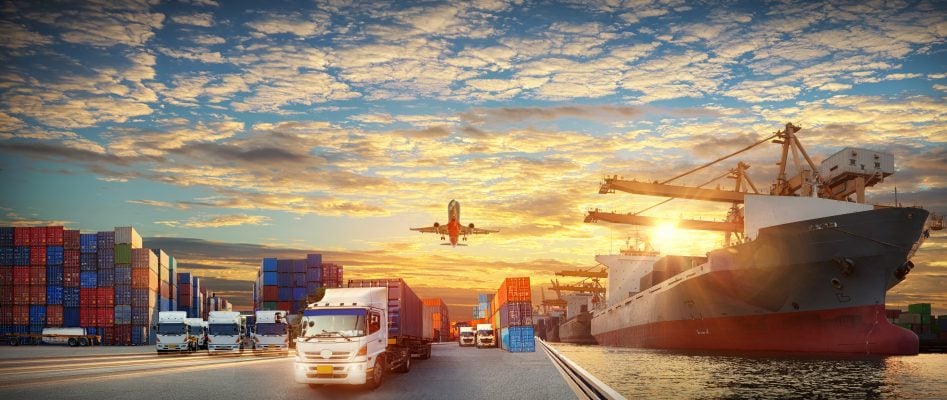
The U.S. economy is recovering in the aftermath of the COVID-19 pandemic, but not every stop along the supply chain is able to keep pace with that recovery. Demand for imported goods and raw materials has overwhelmed many U.S. ports, and ships arriving from Asia at the west coast are forced to wait their turn for unloading. In March, just as conditions were starting to improve, an Evergreen container ship blocked traffic through the Suez Canal in both directions for six days, further slowing the transport of goods around the world. While the ship has since been removed, global trade is continuing to feel the effects as retailers (and their customers) deal with increasing costs and slow delivery times.
Increasing Freight Rates and Delays
Increasing consumer demand has been the driving factor of these delays at US ports. As businesses look to replenish their depleted sock from early in the pandemic, orders have increased exponentially year over year. With the economy opening and people ready to spend, businesses are now challenged to keep up with the new wave of demand. Container imports have doubled what they were last year in Los Angeles and Long Beach alone; an increase of 65% from 2019. In addition to the excess containers causing delays at the ports, many companies are facing increasing freight costs. Transatlantic freight rates rose by 53% in April to reach their multi-year high, while the Asia-US East Coast rates have risen 8% since the Suez Canal was blocked. Smaller businesses have been hit especially hard with the long wait times for products and increasing costs. It is expected that these supply chain issues will continue through the remainder of the year.
Air Freight and Trucking Industries Feel the Impact
The long ocean-freight shipping delays are forcing some importers to consider transporting by air, driving up the cost of air freight. High demand is filling airplanes along the major trade corridors, and that demand coupled with high fuel costs has given way to air freight rates that are up to three times higher than normal. The trucking industry is also reeling under the weight of its own challenges. Drivers who chose early retirement at the onslaught of the pandemic, as well as record unemployment rates, have led to a driver shortage across the industry. Many long-haul trucking companies are struggling to find and retain good drivers, leading to continued supply chain disruptions nationwide.
How E2Global Can Help
We understand the challenges our customers are experiencing as a result of these delays, and we’ve been closely watching the freight industry to identify how changes and disruptions will impact you and your business. Thanks to a strong global network of partnerships and years of experience dealing with multiple containers on a regular basis, we have the flexibility to pivot as necessary and help you stay prepared for changes in inventory. Although E2Global started as a custom design and manufacturing company, our expertise has grown to include consumable manufacturing and product development as we’ve worked with domestic and international manufacturers alike to streamline their processes and increase revenue. Our goal is to ease your burden by managing communication and delays, especially during this uncertain time. Contact us today to learn more about how E2Global can help you work through current freight challenges.